







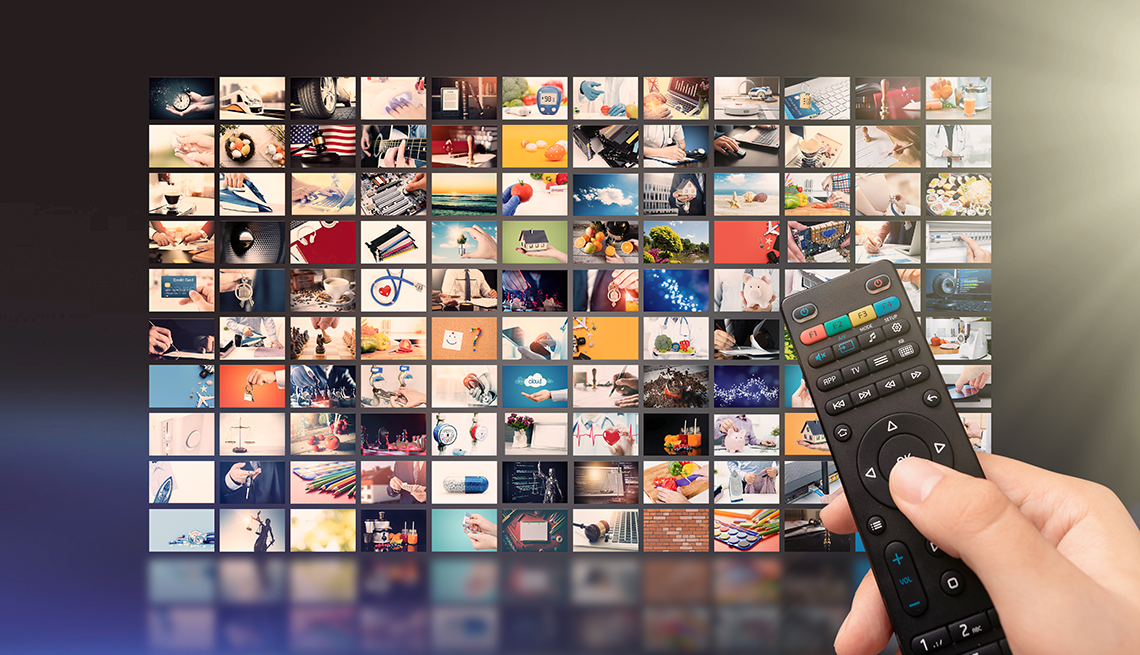
The way people watch movies has transformed dramatically over the past two decades. From physical DVDs to instant online access, movie streaming has reshaped not only entertainment habits but also the entire film industry. What once required a trip to the cinema or a rental store can now be done in seconds from anywhere in the world.
This evolution didn’t happen overnight. It reflects changing technology, audience behavior, and the growing demand for convenience.
From Physical Media to Digital Access
Before streaming became mainstream, movie lovers relied on:
- VHS tapes and DVDs
- Scheduled TV broadcasts
- Cinema screenings
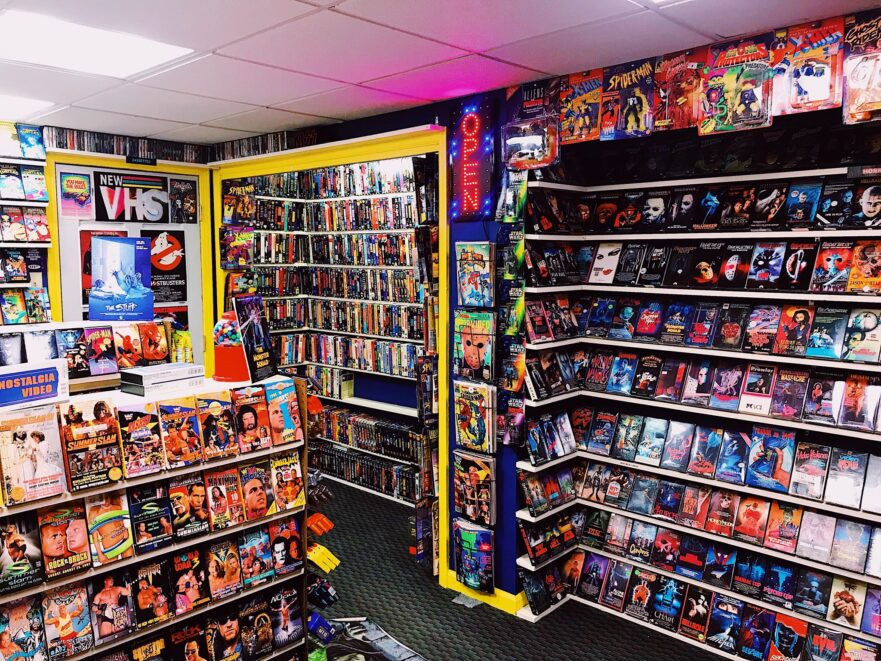
While these formats created memorable experiences, they also came with limitations: fixed schedules, limited selections, and physical storage.
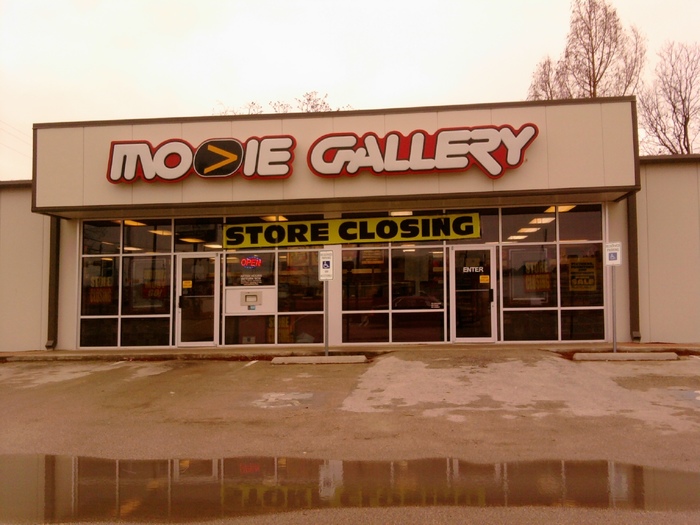
The rise of high-speed internet changed everything. Digital files replaced discs, and online platforms began offering on-demand viewing — a turning point that redefined how audiences consume films.
The Rise of On-Demand Streaming Culture
On-demand streaming empowered viewers in ways never seen before:
- Watch anytime, anywhere
- Pause, rewind, or rewatch instantly
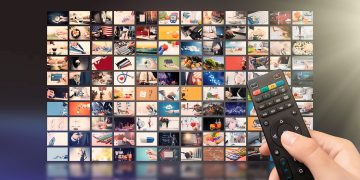
- Explore massive libraries without physical limits
Audiences no longer had to adapt to TV schedules — content adapted to them. This shift also encouraged binge-watching, making TV series more popular than ever.
As viewers embraced this freedom, the demand for online movie platforms grew rapidly.

Free Streaming Platforms and Audience Accessibility
While subscription-based services gained popularity, many viewers around the world still searched for free and easily accessible alternatives. This demand led to the growth of free movie streaming websites, especially among users who wanted quick access without long sign-up processes.
Platforms such as m4ufree.lat are often discussed in online movie communities as options where users can explore a wide range of films without complex barriers, reflecting the audience’s desire for simplicity and convenience.
How Streaming Changed Film Production
Streaming didn’t just change how movies are watched — it changed how they are made.
Filmmakers now:
- Produce content specifically for online audiences
- Experiment with unconventional storytelling
- Target niche genres and global viewers
Shorter attention spans, diverse tastes, and international reach have influenced storytelling styles, budgets, and release strategies.
Streaming platforms gave smaller studios and independent filmmakers new opportunities to reach audiences without traditional distribution hurdles.
Global Access and Cultural Exchange
One of the most significant impacts of online streaming is global accessibility. Viewers can now watch:
- International films
- Foreign-language series
- Content from different cultures
This has encouraged cultural exchange and expanded audience appreciation beyond Hollywood. Movies once considered “regional” can now attract global fan bases almost instantly.
The Future of Online Movie Streaming
As technology continues to advance, the future of streaming looks even more dynamic:
- Higher video quality
- Faster loading speeds
- Smarter content discovery
But no matter how advanced streaming becomes, one thing remains constant: people want easy access to movies they love.
That’s why platforms that focus on simplicity, variety, and user convenience will continue to attract viewers in the evolving digital landscape.
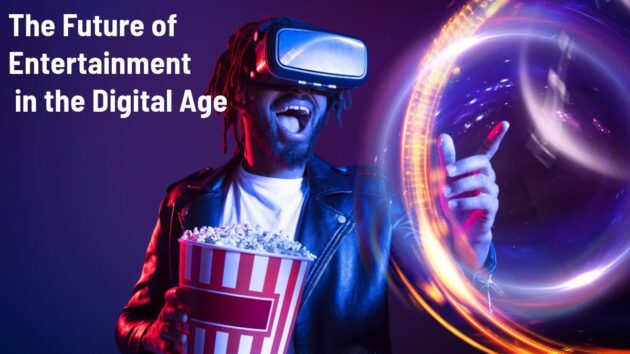
Final Thoughts
The evolution of online movie streaming reflects a deeper change in how people interact with entertainment. Viewers are no longer passive — they choose, explore, and control their experience.
As streaming continues to shape the future of cinema, having flexible ways to watch movies online plays a key role in keeping films accessible to everyone.